
Community Forest Success in North Kivu, Against All the Odds
22 junio 2026
In the forests of the eastern Democratic Republic of the Congo (DRC), a region that has endured years of insecurity and uncertainty, an incredible story of community resilience is unfolding.
On 2 June 2026, the Masombea community in Lubero Territory, North Kivu, officially secured legal recognition of its community forest (Concession Forestière des Communautés Locales, or CFCL). Covering 14,404 hectares of forest, an area roughly equivalent to Paris and Manhattan combined, the concession gives the community exclusive rights to manage and protect its customary forest lands for future generations.
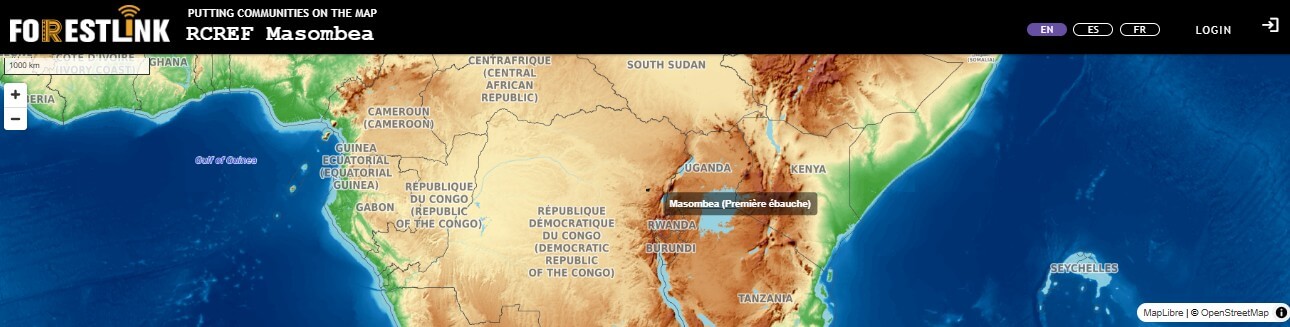
For the approximately 400 people who make up the Masombea community across the villages of Msrii, Mampo'o and N'kompe, this achievement marks the culmination of years of work, determination and partnership. It is also an important milestone for community-based conservation in one of the most biodiverse regions of the Congo Basin, where escalating violence has been compounded by an Ebola outbreak this year.
Securing forests, strengthening communities
The concession was formally granted through an arrêté, the legal instrument required to establish a CFCL in the DRC. The order confirms the identity of the community, the boundaries of the forest and the concession's surface area. Most importantly, it secures the community's rights to govern and manage their traditional forest according to a framework recognised under national law.
Conservation beyond protected area boundaries
The significance of the Masombea concession extends far beyond its boundaries.
The newly recognised forest lies alongside Maiko National Park, one of the DRC's most important protected areas and home to remarkable wildlife including eastern lowland gorillas, okapi, chimpanzees and forest elephants.
For many years, conservation efforts in the region focused primarily on strictly protected areas, often with disastrous impacts on local communities and Indigenous Peoples. Increasingly, however, experience has shown that lasting conservation depends on the active participation of the communities who live alongside these forests.
This is a lesson that has already been evidenced in the neighbouring Bamasobha community forest. In recent coverage by Mongabay, community leaders described how local people whose families had once been displaced following the creation of Maiko National Park are now helping to protect the forest through community-led conservation. Their experience shows how securing community rights can go hand in hand with reducing pressure on forests, protecting biodiversity and building more positive relationships between communities and conservation authorities.
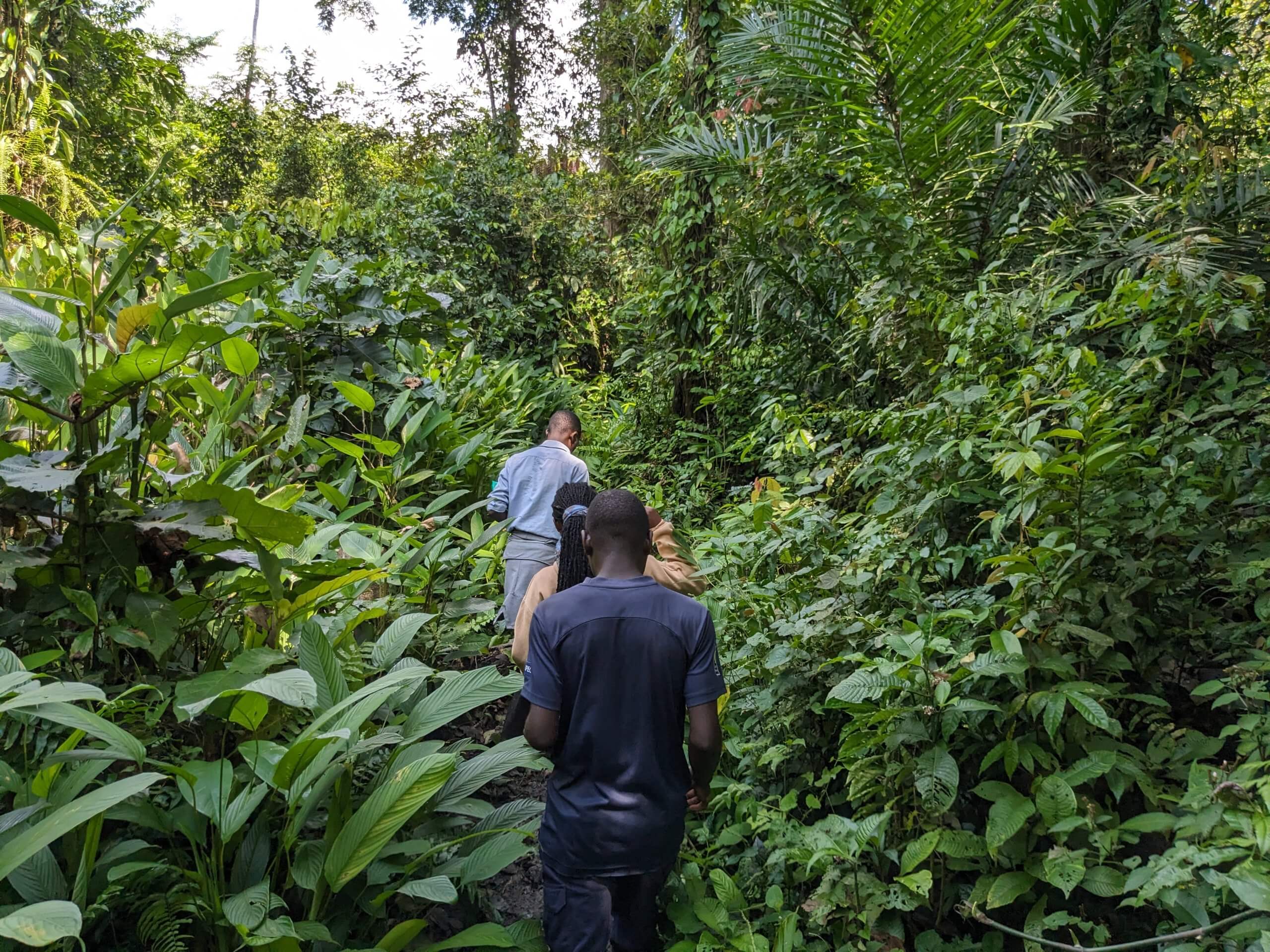
Together, these community forests create a vital buffer around Maiko National Park and contribute to a broader vision of conservation that recognises local people not as observers, but as custodians of the forests they have depended on for generations.
The Masombea concession represents the next step in this growing movement. Today there are more than 230 community forests in the DRC covering over 4.5 million hectares — an area larger than Switzerland. In May, the president also called for an acceleration of this model, while at COP30 in Belém, the country became a signatory to the FCLP Intergovernmental Land Tenure Commitment (ILTC), committing to secure and conserve 54 million hectares of land for the benefit of Indigenous Peoples and local communities by 2030.
A collective effort
The achievement reflects years of collaboration between local communities, civil society organisations and supporters.
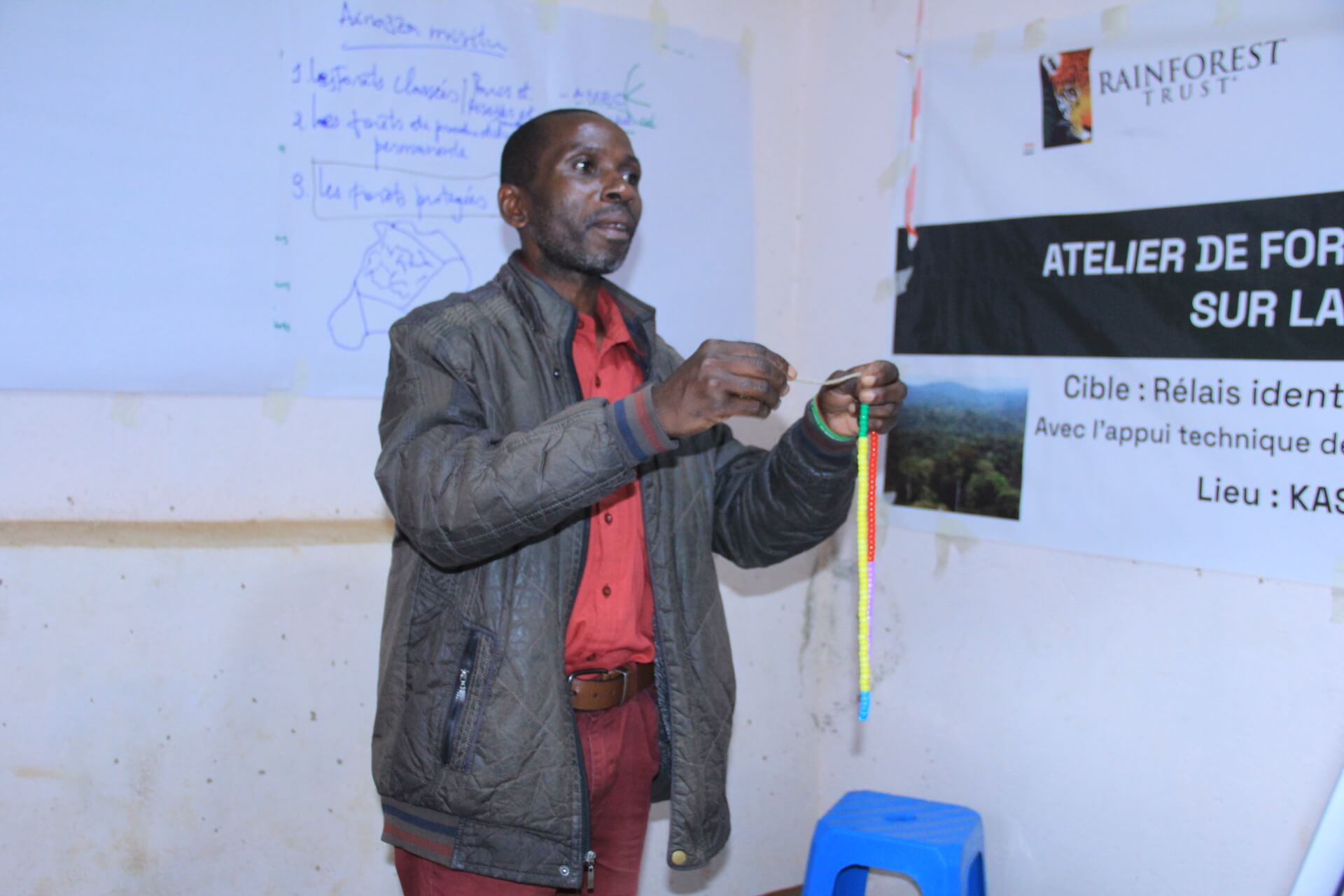
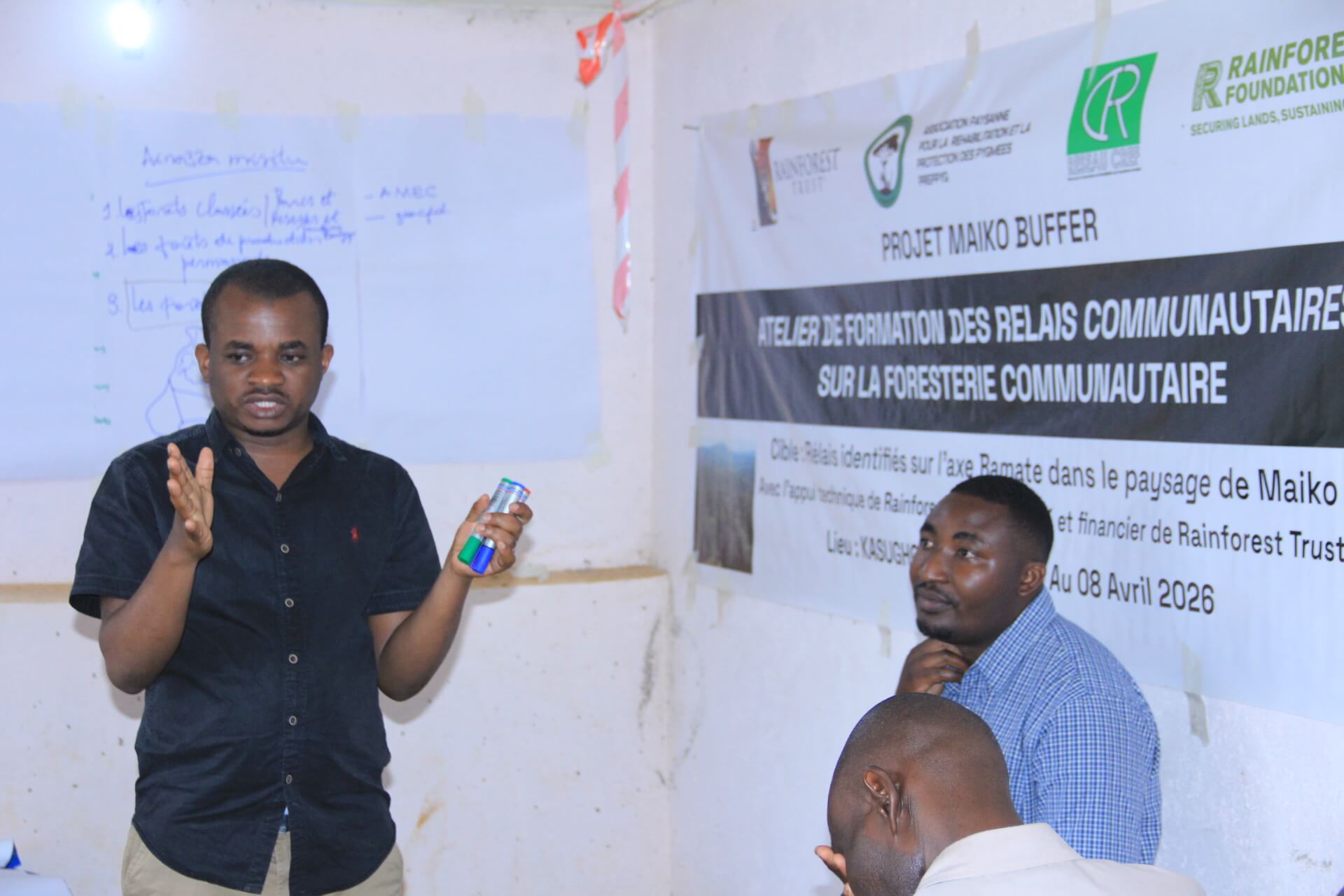
Field activities and community engagement were coordinated by our partners Programme de Recherche et d'Elevage pour la Promotion des Peuples Pygmées et Groupes Vulnérables (PREPPYG) y Réseau pour la Conservation et la Réhabilitation des Ecosystèmes Forestiers (RCREF). RFUK supported the steps that ultimately led to the granting of the concession, working alongside partners to help communities navigate the legal and technical requirements of the community forestry process.
Initial support was provided through the RFUK Bosques para el futuro programme. More recently, continued support from Rainforest Trust through the Maiko Buffer project enabled partners to maintain engagement with provincial authorities and support the final steps leading to the issuance of the arrêté. Ongoing support through existing initiatives will help sustain this work in the years ahead.
The journey continues
While the concession has now been legally recognised, this is only the beginning of the next chapter.
The community's next step will be the development of a Simple Management Plan, which will guide how the forest is managed sustainably in the years ahead. This process will help identify conservation priorities, establish management zones and support the development of community enterprises that can generate income while protecting forest resources.
As partners continue to support this work, they aim to ensure that healthy forests contribute to stronger livelihoods, greater biodiversity protection and increased resilience for local communities.
The story of Masombea is a reminder that some of the most important conservation successes begin not in government offices or international conferences, but in communities that choose to invest in the future of their forests with the right support.
Comparte esto:


 English
  French
  Spanish