
RFUK and SDSG launch new guidelines for forest communities and NGOs amid new wave of carbon projects in DRC
20 October 2026
Following the recent passage of a controversial carbon market law in the DRC, RFUK and SDSG have launched a new set of guidelines for forest communities who are expected to face another surge of carbon projects on their lands.
The Council of Ministers adoption of the draft ordinance-law governing the Democratic Republic of Congo’s (DRC) carbon market on 29 August marks the government’s latest attempt to kick-start the sector in anticipation of rising demand for carbon credits following the finalisation of Article 6 of the Paris Agreement. Article 6 establishes the rules for countries to voluntarily cooperate and trade carbon credits to meet their national climate targets.
However, civil society groups warn the new law, which was rushed through with little oversight or consultation, could entrench widely reported problems within the industry and facilitate large-scale "carbon land grabs" by failing to guarantee Free, Prior and Informed Consent (FPIC) of forest communities.
After the publication of the 2026 DRC Forest Atlas, a recent analysis by APEM found that the number of conservation concessions in the DRC skyrocketed from 18 in 2024 to 71 in 2026 - now covering over 17 million hectares, most of which were allocated to a single entity. These findings followed research by RFUK and APEM last year into the rapid expansion of carbon projects in the country, which raised serious concerns over environmental integrity and human rights.
Vital tools for communities and NGOs
Such deals are typically characterised by an imbalance of power between project developers and communities. Developers may have lawyers, money, and technical experts that communities do not have, often leading to unfair agreements and other severe impacts on local populations.
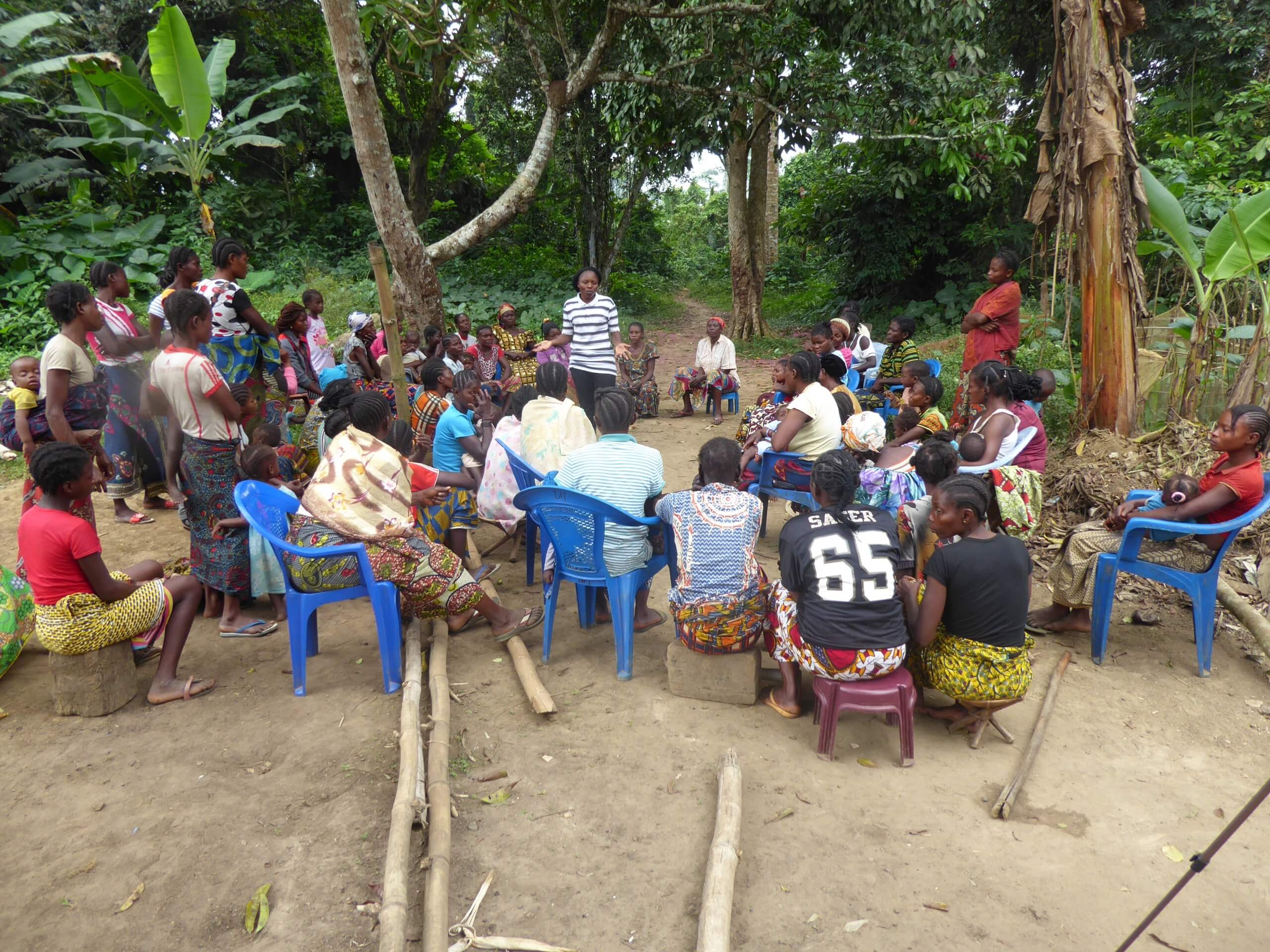
To close this gap, RFUK and SDSG, building upon years of collaboration with local partners, have developed new guidance for communities to understand and exercise their rights in relation to carbon projects, and for accompanying NGOs in supporting communities. These checklists, developed in collaboration with the law firm DLA Piper, aim to provide them with the information they need to make informed decisions about whether to participate in a project, and on what terms.
The tools, which will be launched at a webinar on Wednesday 21st at 12:30 p.m. UK/Kinshasa time, provide clear, accessible guidance on what communities should do if approached by carbon project developers. Based on legal principles and international standards, they present this information in a practical and easy-to-understand format. The guidance will be translated into local languages and disseminated through a range of channels, including through community radio, to ensure it reaches as many people as possible.
The urgent need for wider support
These tools form part of a broader effort to help tropical forest communities respond to growing demand for the lands and resources within their ancestral forests, which includes plans for a new global legal empowerment facility that would provide communities with practical tools, legal advice and other forms of support.
RFUK and its partners have called for a moratorium on new carbon projects in the DRC until a coherent legal framework is in place and a comprehensive review of existing projects has been carried out, including dozens of conservation concessions. At the same time, we continue to promote self-determined community-led approaches to forest management, such as community forests. However, where communities choose to engage with carbon projects, it is essential that they can understand and exercise their rights and make informed decisions, including the right to say ‘no’.
You can view the community guidelines here in English and French
You can view the NGO/CSO guidelines here in English and French
To subscribe for the webinar, click here.

Share this:


 English
 French
 Spanish