
RFUK and partners launch new phase of community forest monitoring in the DRC
30 July 2026
RFUK and our partners have officially launched a new phase of community-led forest monitoring in the Democratic Republic of the Congo (DRC), marking the start of an ambitious new three-year programme to strengthen Indigenous Peoples' and local communities' ability to protect their forests.
The launch took place during a ten-day workshop in Kinshasa, bringing together RFUK staff and partners APEM, GASHE and RCREF to kick off the new programme, funded by the Norwegian International Climate and Forest Initiative (NICFI).
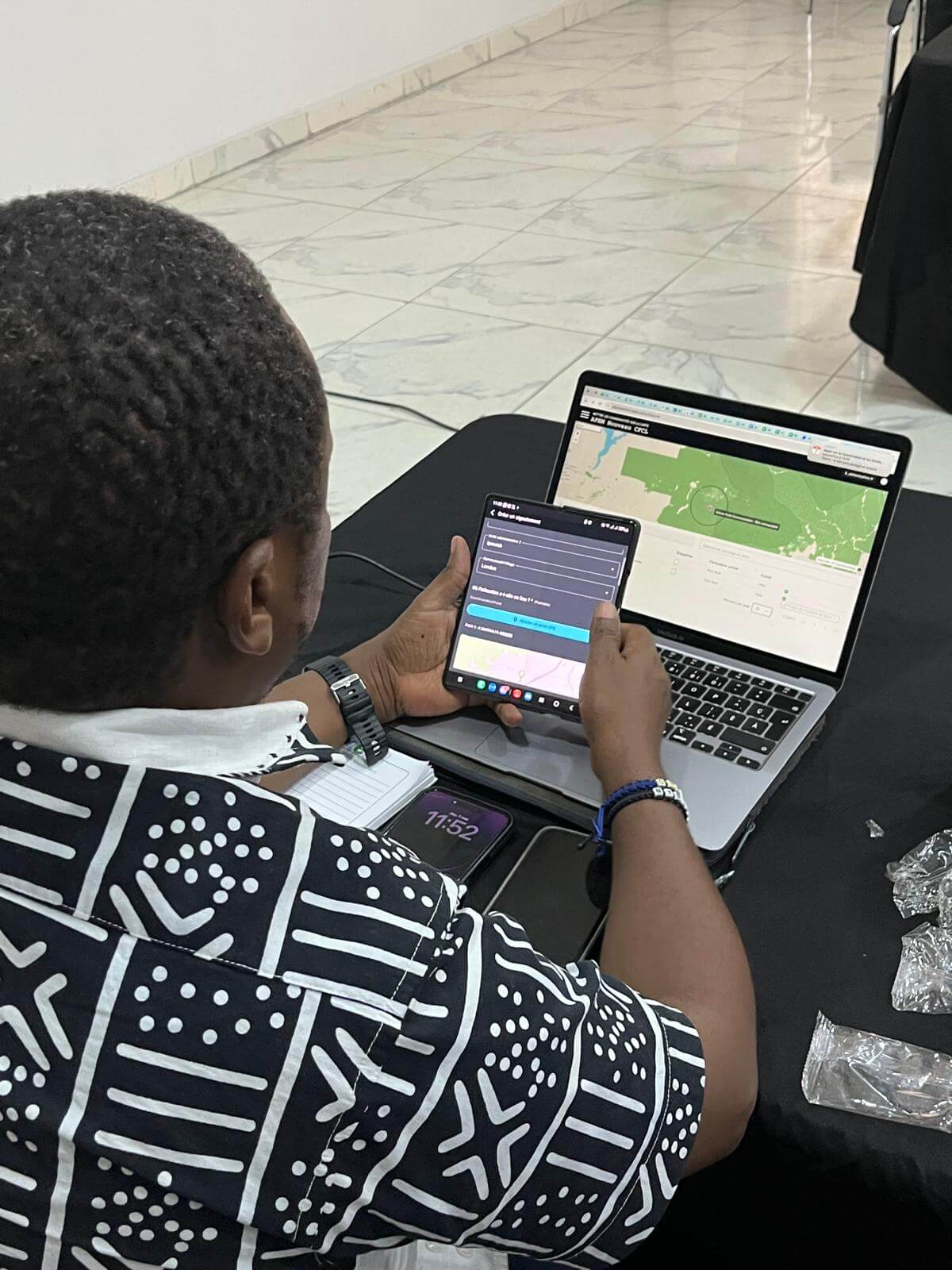
The meeting combined project planning with hands-on training on the latest versions of RFUK's forest monitoring tools, ForestLink and ForestEye, ensuring partners are equipped with the technology and skills needed to support communities across Equateur, Mongala, Mai-Ndombe and North Kivu provinces.
Building stronger tools for communities
A major milestone is the introduction of the newly upgraded ForestLink, RFUK's digital platform that enables communities to document threats to their forests and human rights from illegal, industrial and semi-industrial logging and mining.
Developed by RFUK, the latest version of ForestLink includes significant improvements designed to make community monitoring more effective and easier to use.
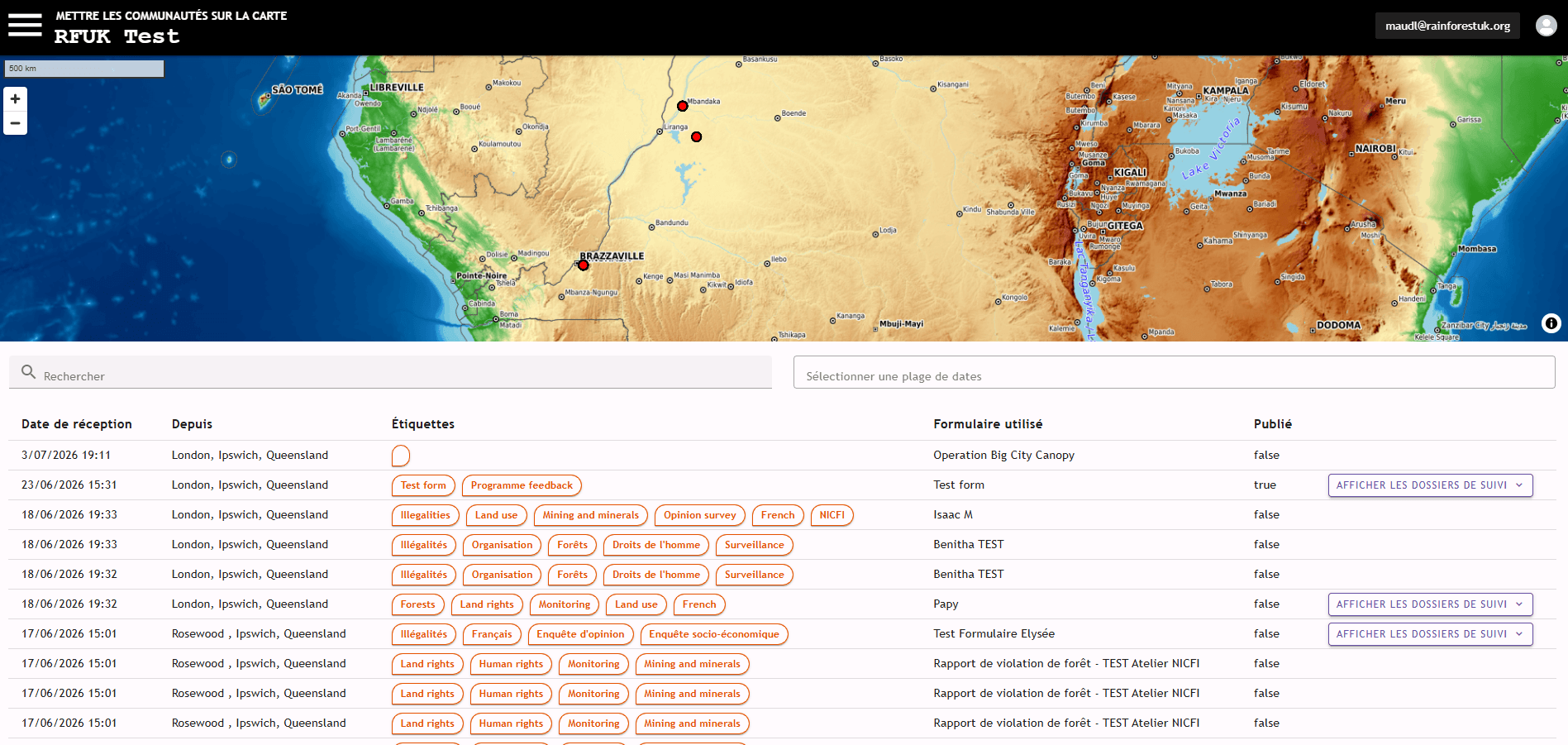
The redesigned platform now allows partners to manage multiple projects within a single secure system, while a new case management feature enables organisations to group related reports together, build stronger evidence and track follow-up actions from initial alert through to advocacy, mediation or legal .
The ForestLink Collect mobile app has also been completely refreshed with a simpler, more intuitive design, making it even easier for community observers to report incidents from remote forest areas, even with low internet connectivity.
During the workshop, partners tested the new system, shared practical feedback and worked alongside RFUK to tailor monitoring forms to local needs. Three new data collection forms were developed, validated and integrated into ForestLink, ensuring communities can collect the information that matters most to them.
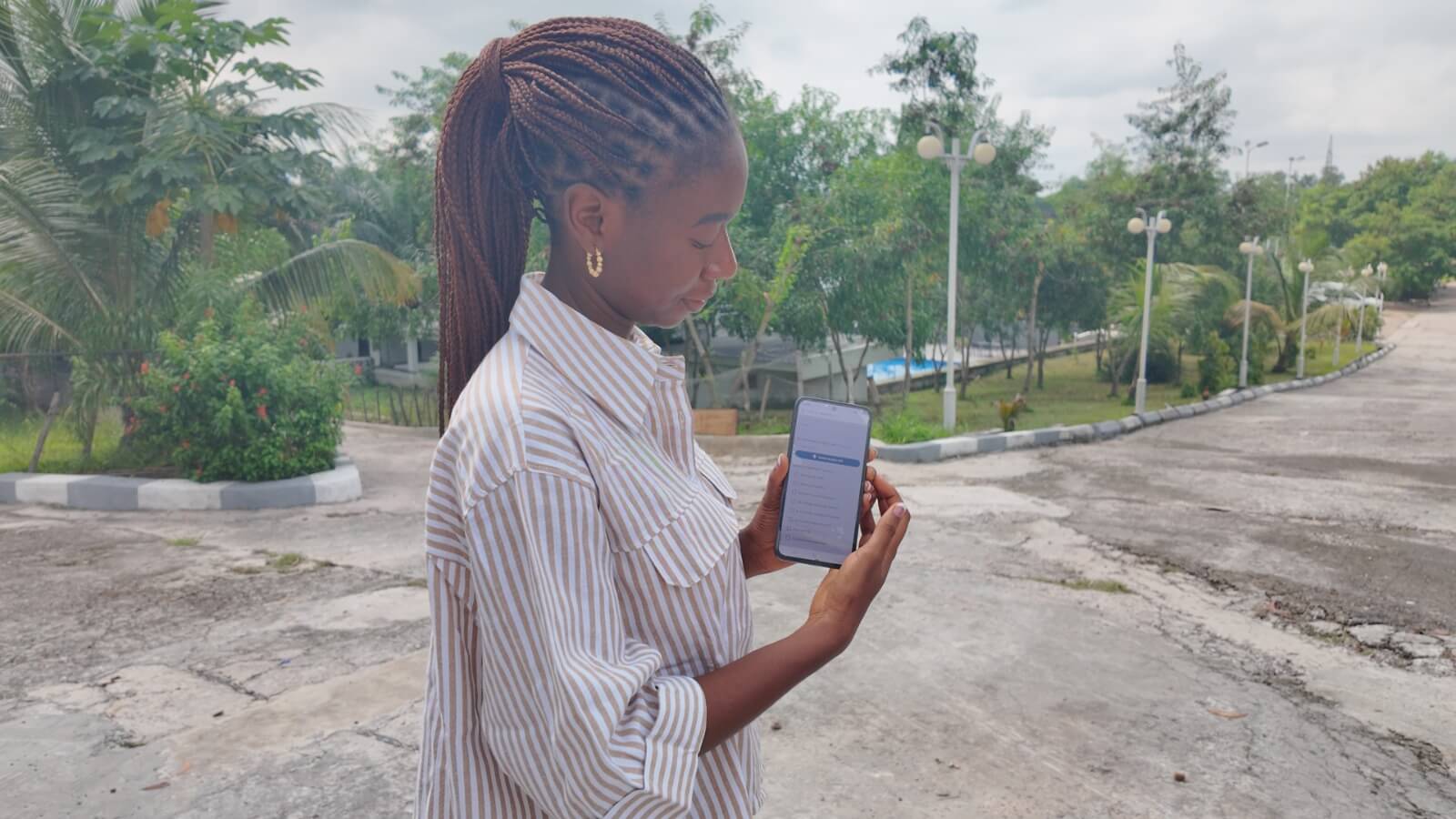
One workshop participant described the updated tool as "simple and easy to use", while another said, "The new platform is much more practical. It allows you to track alerts in detail and achieve results."
Combining technology for greater impact
Partners also received training on ForestEye, RFUK's free satellite monitoring platform, which provides local communities and forest monitors with near real-time geo-located data on canopy disturbance.

Together, ForestEye and ForestLink provide a powerful combination. Satellite imagery can identify areas where forest change is taking place, while community monitors can safely verify what is happening on the ground and submit evidence through ForestLink. This combination helps local organisations respond more quickly to threats and support communities in defending their rights.
Strengthening partnerships for the years ahead
The programme will support community forest monitoring in at least a dozen communities across the DRC and Gabon, empowering Indigenous Peoples and local communities to play a leading role in safeguarding forests and defending their rights. Through independent monitoring of forest crimes and rights violations, communities and civil society organisations will generate credible evidence to expose abuses and strengthen accountability. By improving engagement with authorities, strengthening access to justice, and amplifying community-generated data to inform policy and governance reforms, the programme aims to curb forest crime, reduce threats to community rights, and secure redress for affected people. Ultimately, it will contribute to stronger forest governance and enhanced protection of the Congo Basin rainforest — the world's second-largest tropical forest.
By combining innovative technology with trusted local partnerships, RFUK continues to support communities on the frontline of forest protection, ensuring they have the tools, knowledge and support to monitor their forests, defend their rights and hold those responsible for environmental harm and human rights abuse to account.
Share this:

